 XI Wiki


This. Their motto was "Taxed Enough Already" but then were hijacked by hyper rights.Originally Posted by Zealot

- Navigation
Results 12281 to 12300 of 13329
-
2016-11-18 15:37 #12281BG Medical's Student of Medicine

- Join Date
- Oct 2006
- Posts
- 35,025
- BG Level
- 10

-
2016-11-18 15:37 #12282United States of Smash!
- Join Date
- Jun 2006
- Posts
- 8,818
- BG Level
- 8
I really appreciate your in depth analysis and you are quite right but I am not just referring to the tea party in politicians but also all of the "tea partiers" that spent years protesting all over the country. The tea party movement was much more than just the politicians who identified as tea party members. It was also many regular people out protesting with cries very similar to "not my president" and lots of tea party shirts/hats and don't tread on me flags. Originally Posted by Andalusian girls
Also while the Tea Parties rise may be more complex than what I wrote it was certainly used in the fashion analogous to the protests happening now.
-
2016-11-18 16:22 #12283Ridill
- Join Date
- Apr 2011
- Posts
- 23,594
- BG Level
- 10
- FFXI Server
- Bahamut
Seems to be a common theme almost any movement these days. Popularity rises and then shit gets hijacked by generally more extreme elements or at least ones with different agendas and then shits on everything and leaves a huge mess for everyone else to deal with Originally Posted by kuronosan
-
2016-11-18 16:32 #12284BG Medical's Student of Medicine
- Join Date
- Oct 2006
- Posts
- 35,025
- BG Level
- 10
Bernie was hijacked by hyper lefts, and to be fair he's further left than I am.
-
2016-11-18 18:43 #12285Relic Horn
- Join Date
- Mar 2012
- Posts
- 3,133
- BG Level
- 7
- FFXI Server
- Titan
https://www.theguardian.com/media/vi...emocracy-video
Barack Obama: fake news is a threat to democracy – video
-
2016-11-19 11:29 #12286Puppetmaster
- Join Date
- Nov 2016
- Posts
- 74
- BG Level
- 2
Tyche,
http://www.npr.org/sections/health-s...icaid-cutbacks
Sent from my iPhone using Tapatalk
-
2016-11-19 12:39 #12287I would prefer not to.

Moms Spaghetti
Philly Special
- Join Date
- May 2006
- Posts
- 39,975
- BG Level
- 10
but at least we're getting rid of them thar fuckin mexicans Originally Posted by ThreeOneLead
murica
-
2016-11-19 13:17 #12288E. Body
- Join Date
- May 2008
- Posts
- 2,392
- BG Level
- 7
- FFXI Server
- Cerberus
- WoW Realm
- Deathwing

 this whole fake news thing sounds desperate Originally Posted by myreality
-
2016-11-19 13:21 #12289Kevin Chang
- Join Date
- Oct 2007
- Posts
- 10,704
- BG Level
- 9
- FFXI Server
- Sylph

The rise of the internet and social media as people's #1 source of news creating an echo chamber is definitely damaging, but there's more to it than just fake news.
-
2016-11-19 13:48 #12290BG Content
- Join Date
- Oct 2005
- Posts
- 70,762
- BG Level
- 10
- FFXIV Character
- Six Souls
- FFXIV Server
- Gilgamesh
- FFXI Server
- Quetzalcoatl
- WoW Realm
- Malorne
- Blog Entries
- 9
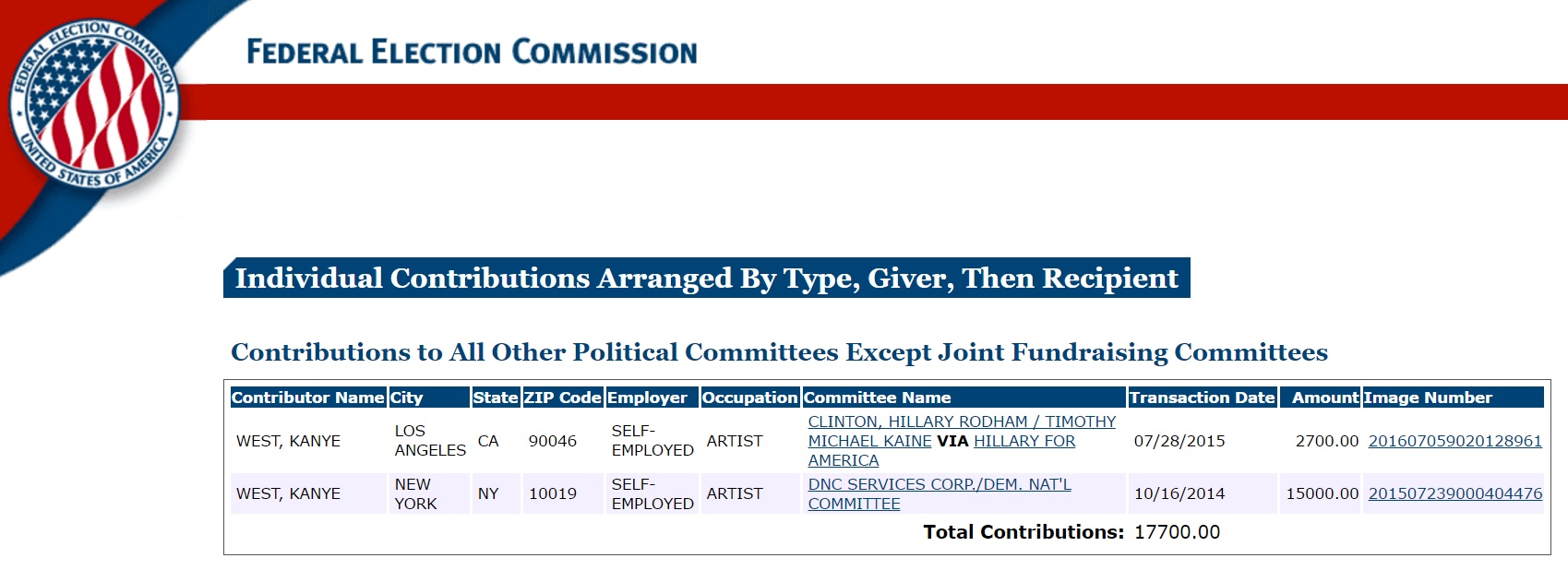
Says he would have voted for Trump, but donated to Hillary. Originally Posted by thetruepandagod
-
2016-11-19 14:53 #12291Professional Pixel Pusher
- Join Date
- Sep 2007
- Posts
- 2,827
- BG Level
- 7
- FFXI Server
- Ragnarok

Ehh, he'll probably claim it was Kim.
-
2016-11-19 15:11 #12292Kevin Chang
- Join Date
- Oct 2007
- Posts
- 10,704
- BG Level
- 9
- FFXI Server
- Sylph
http://www.economist.com/news/united...feat-democrats
AGHAST at the defection of millions who voted for Barack Obama in 2012 but for Donald Trump in 2016—notably working-class whites in the Midwest—the left wants the Democratic Party to snatch up the banner of economic populism and declare war on Wall Street, big business and other global elites. At post-election gatherings like the Democracy Alliance conference in Washington, DC, it is an article of faith that Senator Bernie Sanders of Vermont, the snowy-haired, finger-jabbing scold who lost the Democratic presidential primary to Hillary Clinton, would have trounced Mr Trump in the general election.
Such Democrats are making a mistake. It is as if America’s political classes are bent on copying every part of Britain’s current flirtation with who-needs-experts populism. Not content with holding an election that saw voters sharply divided by education, age, geography and attitudes to social change—as happened with the Brexit referendum—American leftists seem ready to follow Britain’s Labour Party down the path of self-righteous irrelevance.
[....]
To simplify, populists of the left talk about fairness: an abstract idea. They call for government to break up big banks, make sure the rich pay taxes or erect tariff or regulatory barriers to keep globalisation at bay. Populists of the right happily borrow leftish lines about putting domestic workers first, and curbing the might of international finance. But then instead of talking about fairness, they talk of safety and control, of defending precious values that are under assault, and of keeping The Other at bay. Rather than fixing the system, they talk of taking their country back. If it suits their needs, populists of the right will present government itself as an agent of tyranny. Those are potent slogans that appeal to the gut, not the head—and in America just helped Republicans to elect a billionaire who calls tax-avoidance “smart”. They are reasons why the centre-left should beware of choosing to fight the right on populist ground.
The hard lesson of 2016 is that mainstream politicians do not yet have a perfect answer to the demagogues sweeping the West. Mrs Clinton was a clunking candidate who—disastrously—took the Midwest for granted. But her larger problem was that she could not match Mr Trump’s willingness to tell angry workers whatever they wanted to hear, as when he promised to bring back coal-mining jobs, or manufacturing from Asia. Every rich-world politician knows what voters want: to be shielded from competition that they feel is unfair or unbearable, whether from machines or foreigners. But no responsible leader knows how to do that without harming the economy. As Mr Booker says: “You can’t create policy against a microchip.” As they enter a spell in the wilderness, Democrats cannot out-promise Mr Trump. They need to out-think him, by finding policies that work in the real world, in ways that voters can touch and feel. They have four years.
-
2016-11-19 15:52 #12293BG Medical's Student of Medicine
- Join Date
- Oct 2006
- Posts
- 35,025
- BG Level
- 10
So the democrat problem is that weren't Republican enough. Mmkay.
-
2016-11-19 15:58 #12294Caesar Salad
- Join Date
- Nov 2009
- Posts
- 32,167
- BG Level
- 10
So the article says dems need to learn to overpromise more. Sounds about right.
-
2016-11-19 16:21 #12295Kevin Chang
- Join Date
- Oct 2007
- Posts
- 10,704
- BG Level
- 9
- FFXI Server
- Sylph
Just like how Dems fall in love instead of falling in line. Originally Posted by kuronosan
-
2016-11-19 16:36 #12296Caesar Salad
- Join Date
- Nov 2009
- Posts
- 32,167
- BG Level
- 10
Love how successful pragmatism was this election.
-
2016-11-19 16:40 #12297Kevin Chang
- Join Date
- Oct 2007
- Posts
- 10,704
- BG Level
- 9
- FFXI Server
- Sylph
If we can get a candidate who can get away with bald faced lying and holding contradictory positions, I'm all for it (Obama did get away with "clean coal.")
However I think that demographic tilts to the other side already.
-
2016-11-19 17:28 #12298BG Medical's Student of Medicine
- Join Date
- Oct 2006
- Posts
- 35,025
- BG Level
- 10
I think the real problem is that democrats don't get turnout because they don't overpromise enough.
-
2016-11-19 18:12 #12299I'll change yer fuckin rate you derivative piece of shit
- Join Date
- Sep 2006
- Posts
- 59,011
- BG Level
- 10
All the overpromising in the world didn't help Bernie in the primary.
-
2016-11-19 18:44 #12300BG Medical's Student of Medicine
- Join Date
- Oct 2006
- Posts
- 35,025
- BG Level
- 10
And yet here we are, months after you said there was no way Trump would win. Originally Posted by archibaldcrane
Even if he was "weaker than Hillary", at least his ass was out there talking with people instead of hosting fundraisers.


Similar Threads
-
Do We Have A 'Silly Shit Politicians Say' Thread? If Not, Here We Are
By Callisto in forum Politics: Advanced ShitpostingReplies: 2380Last Post: 2026-03-31, 10:47 -
2016 USA Presidential election thread I: The warm-up
By quannum in forum Politics: Advanced ShitpostingReplies: 15067Last Post: 2016-08-03, 01:11 -
Internet Regulations/ ITU meetings - Here we go again
By Tyrath in forum Politics: Advanced ShitpostingReplies: 9Last Post: 2012-12-14, 16:32