 XI Wiki

It's not THAT complicated.
- Navigation
Results 241 to 260 of 1697
Thread: Climate Change


-
2018-05-03 13:15 #241

- Join Date
- Oct 2006
- Posts
- 22,163
- BG Level
- 10
- FFXIV Character
- Zetanio Breaux
- FFXIV Server
- Gilgamesh
- FFXI Server
- Odin


-
2018-05-03 13:22 #242Ridill
- Join Date
- Aug 2008
- Posts
- 12,467
- BG Level
- 9
- FFXIV Character
- Satori Komeiji
- FFXIV Server
- Sargatanas
- FFXI Server
- Asura
 I knew people on my ship who thought the reactor was a vat of glowing green goop.
 Originally Posted by Zetanio

-
2018-05-03 13:22 #243I'll change yer fuckin rate you derivative piece of shit
- Join Date
- Sep 2006
- Posts
- 58,768
- BG Level
- 10
People like to crow about how magical thorium is, but the actual real-life advantages of LFTRs over current light water reactors are overplayed. You only end up in a position of thinking LFTRs are incredible if you think current reactor designs are dangerous, produce a problematic amount of waste, or have particularly special proliferation issues. Originally Posted by TsingTao
But, they don't - as evidenced by the past 60 years of civilian nuclear power using uranium.
-
2018-05-03 13:39 #244Ridill
- Join Date
- Apr 2011
- Posts
- 23,594
- BG Level
- 10
- FFXI Server
- Bahamut
Don't worry India, Russia and china are busy perfecting systems and technology we invented 50 years ago. And sharing amongst each other though not sure us Originally Posted by TsingTao
-
2018-05-03 14:03 #245Ridill
- Join Date
- Apr 2011
- Posts
- 23,594
- BG Level
- 10
- FFXI Server
- Bahamut
First off thorium and LFTR are not the same thing. You can have molten salt reactors with any fuel and you can have solid or liquid fuels with any fuel and any number of cooling/fuel systems for thorium. Originally Posted by archibaldcrane
A decent part of the saftey that is molten salt part of it... which can and has been designed with non thorium fuels so I guess another point against specifically going LFTR. That said actual safety hasn't been the goal of nuclear power for a long time. It's more been the appearance of insanely over the top fool proof safety measures to keep the ignorant public and the sometimes even more ignorant public policy makers happy... which has ballooned the cost of nuclear power. Thorium fuel systems don't need quite the same level of engineering to achieve those same over the top passive features. So while yes while even friggin gen II reactors were ridiculously safe and all Gen IV designs are supposed to be the safest things in the universe designs that can achieve that safety cheaper can be yuge.
Waste is kind of a mixed issue... on the one hand yes there are dozens of ways of dealing with waste produced. On the other hand basically no one in the western world is even entertaining the idea of doing so (well I guess Canada is a little) as such minimize waste produced is still kind of nice. Plus while there are a lot of methods of reusing say unspent fuel I think only Russia is working on burning other actinides or even current plutonium supplies and last I saw they were only sharing those designs with China.
Proliferation is actually a bad argument though for this. As arguably thorium fuel cycles can be a bigger proliferation concern when using a molten salt reactor. It's actually relatively easy to covertly siphon off some weapons isotopes as the way I understand it you are doing something similar anyways regularly.
A big advantage is supply though. Uranium is semi-rare and requires a lot of time and resources processing. Meanwhile Th is abundant enough we literally get more than enough right now just as a byproduct from rare metal mining/processing. A lot still gets basically thrown out as trash. And being effectively the only isotope doesn't need the same level of processing etc and supply will last much much longer.
That's ok. We had a guy who was I believe 10th in power school not understand drawing a bubble until we were doing the prac fact for it at the end of prototype as me and the guy who had been 2 in power school both explained it to him as instructors had given up. Originally Posted by Fiye
This same guy also wasted 2 hours of one class because he didn't understand what was meant by the temperature at the wall of the pipe when we were going over some heat exchanger thermodynamics.... like not even getting into the maths and the concepts he just couldn't understand a single label on the picture and never ended up getting it. But boy could he memorize lol
-
2018-05-03 14:11 #246I'll change yer fuckin rate you derivative piece of shit
- Join Date
- Sep 2006
- Posts
- 58,768
- BG Level
- 10
Agree with everything (and I know LFTR isn't the only method of using thorium) - regarding fuel rarity, given that the cost of fuel (acquiring/enriching/assembling uranium fuel rods) is so minuscule compared to the overall operation/cost of electricity generated from nuclear as it is, having a more plentiful supply of a different fuel is also negligible - and if we actually get to the point where we're depleting mines/cost of acquiring raw uranium is getting more expensive, it can just be swapped out for seawater extraction of uranium - which isn't currently economically viable (because mining is even cheaper) but even at the point where it would be it would still be negligible in overall operational costs, and the supply of uranium from seawater extraction is essentially unlimited/literally renewable.
-
2018-05-03 15:45 #247Ridill
- Join Date
- Apr 2011
- Posts
- 23,594
- BG Level
- 10
- FFXI Server
- Bahamut
Oh I understand it's a small part of the cost... wouldn't be surprised if it was less than dues/licensing to the NRC lol. But some of the new designs are boasting some pretty amazing increases in efficiency at least in terms of cost. So might shift things where we care more about fuel prices.
I just don't like really on the few countries doing that work really since we aren't really. Right now it's fine but we ran but so was relying on other countries for our fuel for our RTGs and that didn't work out so well and we've gone back to breeder our own. And well you know how much we hate mining our own uranium. NEA did an estimation based on current supplies and expect other with current consumption putting running out in around 200 years. Seawater isn't really renewable but assuming we could efficiently extract what is there it'd last a lot longer than civilization already has and likely will. Problem is like you mentioned it's too expensive to be considered right now (same reason we don't reprocess)... sure one day mining might cost enough to consider it well why not consider the even cheaper method no? I'm no fanatic about it. It's not like it's going to revolutionize things too much but it does have slight advantages that are worth considering as long as you watch the reactors closely lol.
There's also various methods recycling/reusing (not reprocessing) old fuel/"waste"/other fissile/fertile material such as weapons. Which is really what I'd like to see pushed the most as it actually deals with the "waste" problem we already have and end this idiotic where do we bury all this perfectly usable energy for way too much money debate. And can be done at relatively low costs and basically have most the same advantages as thorium in that they end up breeding fissile materials and burning up as much as possible leading to less real waste and greater amount of energy extracted with the added bonus being it's already stuff we or will make supporting current uranium plants. Unfortunately I think only the Candu are designed to be able to use "spent" fuel once again without reprocessing (as well as natural unenriched uranium) and only a couple of newer Russian plants are doing actively working towards commercial plutonium/uranium fast breeders with closed fuel cycles to handle everything else though they were going to share designs with China as China has finally started caring about pollution lol
-
2018-05-14 09:00 #248I'll change yer fuckin rate you derivative piece of shit
- Join Date
- Sep 2006
- Posts
- 58,768
- BG Level
- 10
Good thread about atmospheric carbon concentration growth data in the past 60 years.
https://twitter.com/Sustainable2050/...016483328?s=19
Sent from my SM-G930V using Tapatalk
-
2018-05-15 07:41 #249
http://www.sciencemag.org/news/2018/...house-gas-cuts
Trump administration is axing NASA's carbon emission monitoring program. As the article leads, "you can't manage what you don't measure."
-
2018-05-15 07:44 #250
- Join Date
- Oct 2006
- Posts
- 22,163
- BG Level
- 10
- FFXIV Character
- Zetanio Breaux
- FFXIV Server
- Gilgamesh
- FFXI Server
- Odin
What a bunch of fucking retards.
-
2018-05-31 06:25 #251RIDE ARMOR
- Join Date
- May 2018
- Posts
- 11
- BG Level
- 1
 "you can't manage what you don't measure."
Seems like he has no idea how to do both
-
2018-06-13 17:24 #252
Sweaty Dick Punching Enthusiast
- Join Date
- May 2005
- Posts
- 9,264
- BG Level
- 8
- FFXI Server
- Fenrir
Antarctica is melting like we've not before seen and perhaps breaking apart. The mass loss graph is astounding.
https://www.theatlantic.com/science/...g-mass/562748/
p short & easy for an article from The Atlantic
-
2018-06-14 00:29 #253Tekki's Bitch

Sweaty Dick Punching Enthusiast
- Join Date
- Mar 2006
- Posts
- 9,015
- BG Level
- 8
Please no, not before i go there.
-
2018-06-14 06:41 #254
- Join Date
- Oct 2006
- Posts
- 22,163
- BG Level
- 10
- FFXIV Character
- Zetanio Breaux
- FFXIV Server
- Gilgamesh
- FFXI Server
- Odin
It's p much gone in less than 20 years.
-
2018-06-14 09:59 #255Ninja Ninja
- Join Date
- Dec 2008
- Posts
- 5,672
- BG Level
- 8
- FFXIV Character
- Noemi Rondain
- FFXIV Server
- Gilgamesh
- FFXI Server
- Phoenix

Well, guess I'm glad that my town is 150 feet above sea level.
-
2018-06-15 15:42 #256BG Content
- Join Date
- Oct 2005
- Posts
- 69,940
- BG Level
- 10
- FFXIV Character
- Six Souls
- FFXIV Server
- Gilgamesh
- FFXI Server
- Quetzalcoatl
- WoW Realm
- Malorne
- Blog Entries
- 9

https://www.bloomberg.com/news/artic...-to-power-grid
Rocks under I-95 between Virginia & Maine pose a threat to electrical grids the next time a major geomagnetic storm passes through. Unlike a lot of the world where the Sun's energies would pass right through, these particular rocks serve as insulators and causes the energies to bounce back which would cause transformers in it's path to burn out. One such storm in 1989 knocked out power in Quebec for 9 hours.
-
2018-07-05 17:52 #257BG Content
- Join Date
- Oct 2005
- Posts
- 69,940
- BG Level
- 10
- FFXIV Character
- Six Souls
- FFXIV Server
- Gilgamesh
- FFXI Server
- Quetzalcoatl
- WoW Realm
- Malorne
- Blog Entries
- 9
1M Gallons of Sewage Discharged into the Cannon River & Lake Byllesby in MN after Treatment Center Pumps Fail Forcing the Closure of Beaches and the Lake itself
https://www.kare11.com/article/news/...r/89-570418667
-
2018-07-05 18:56 #258Caesar Salad
- Join Date
- Nov 2009
- Posts
- 31,869
- BG Level
- 10
Oh shit that's bad. E coli and hep for everyone!
Sent from my SAMSUNG-SM-G935A using Tapatalk
-
2018-07-11 14:26 #259I'll change yer fuckin rate you derivative piece of shit
- Join Date
- Sep 2006
- Posts
- 58,768
- BG Level
- 10
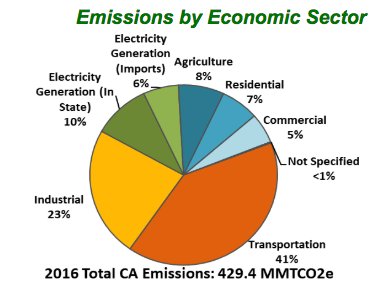
Interesting thread about California emissions. It was released this morning that in 2016 California got below the level of emissions we had in 1990 (which was the 2020 goal). This looks at how, and what challenges lie in the future.
I'll note for my hobby horse that California still doesn't have in-state electricity GHGs lower in 2016 than it did in 2011 (the year before the San Onofre nuclear power plant closed) - we still hadn't totally made up for that closure by 2016 - still burning more gas than when San Onofre was open.
https://twitter.com/scianalysis/stat...17313248587776
-
2018-07-11 16:21 #260Ridill
- Join Date
- Apr 2011
- Posts
- 23,594
- BG Level
- 10
- FFXI Server
- Bahamut
I blame the stupid law they changed a few years back that allowed local green power companies switch customers to them without permission (basically had to tell them not to) and they seem by and large against using nuclear idk about others but mine has also has increased rates to be on par with pg&e when half the lure in the first place was being cheaper... except the super extra green version which costs a bit more. Which seems like the perfect time to call them and ask what their stance is before switching lol


Similar Threads
-
Christians and Climate Change
By Vinto in forum Politics: Advanced ShitpostingReplies: 23Last Post: 2013-01-12, 12:16