XI Wiki


https://twitter.com/techreview/statu...14084423688194
The Taliban now have access to a trove of biometric data used to identify millions of Afghans.
MIT Technology Review spoke to two individuals familiar with one of these systems, a US-funded database known as APPS, the Afghan Personnel and Pay System. Used by both the Afghan Ministry of Interior and the Ministry of Defense to pay the national army and police, it is arguably the most sensitive system of its kind in the country, going into extreme levels of detail about security personnel and their extended networks.
Started in 2016 to cut down on paycheck fraud involving fake identities, or “ghost soldiers,” APPS contains some half a million records about every member of the Afghan National Army and Afghan National Police, according to estimates by individuals familiar with the program. The data is collected “from the day they enlisted,” says one individual who worked on the system, and remains in the system forever, whether or not someone remains actively in service. Records could be updated, he added, but there was no deletion or data retention policy.
Our sources say that each profile in APPS holds at least 40 data fields.
These include obvious personal information such as name, date, and place of birth, as well as a unique ID number that connects each profile to a biometric profile kept by the Afghan Ministry of Interior.
But it also contains details on the individuals’ military specialty and career trajectory, as well as sensitive relational data such as the names of their father, uncles, and grandfathers, as well as the names of the two tribal elders per recruit who served as guarantors for their enlistment. This turns what was a simple digital catalogue into something far more dangerous, according to Ranjit Singh, a postdoctoral scholar at the nonprofit research group Data & Society who studies data infrastructures and public policy. He calls it a sort of “genealogy” of “community connections” that is “putting all of these people at risk.”
But not all the data has such clear use. The police ID application form, for example, also appears to ask for recruits’ favorite fruit and vegetable. The Office of the Secretary of Defense referred questions about this information to United States Central Command, which did not respond to a request for comment on what they should do with such data.
- Navigation
Results 341 to 360 of 481
-
2021-08-30 21:00 #341BG Content

- Join Date
- Oct 2005
- Posts
- 69,823
- BG Level
- 10
- FFXIV Character
- Six Souls
- FFXIV Server
- Gilgamesh
- FFXI Server
- Quetzalcoatl
- WoW Realm
- Malorne
- Blog Entries
- 9


-
2021-08-30 21:32 #342D. Ring

- Join Date
- Apr 2006
- Posts
- 4,738
- BG Level
- 7
- FFXI Server
- Siren
Meh. Practically every database seems like it's been hacked at this point and every day is a new cyber attack. We're just saving them the middle step of hiring some group of Russians with crypto currency.
-
2021-08-30 21:37 #343Tekki's Bitch
Sweaty Dick Punching Enthusiast
- Join Date
- Mar 2006
- Posts
- 8,995
- BG Level
- 8
iraq and afghanistan were just practice for us in how to coerce a towns population to accept biometrics obvi
-
2021-08-31 03:57 #344
- Join Date
- Jul 2007
- Posts
- 58,011
- BG Level
- 10
- FFXI Server
- Ifrit

I've seen a tweet roaming around from Trump Jr supposedly showing the talisman flying a Blackhawk around with someone hanging by the neck.
Dunno if it's true considering the source...huge grain of salt etc
-
2021-08-31 08:41 #345
Sweaty Dick Punching Enthusiast
- Join Date
- Mar 2010
- Posts
- 24,128
- BG Level
- 10
- FFXI Server
- Quetzalcoatl
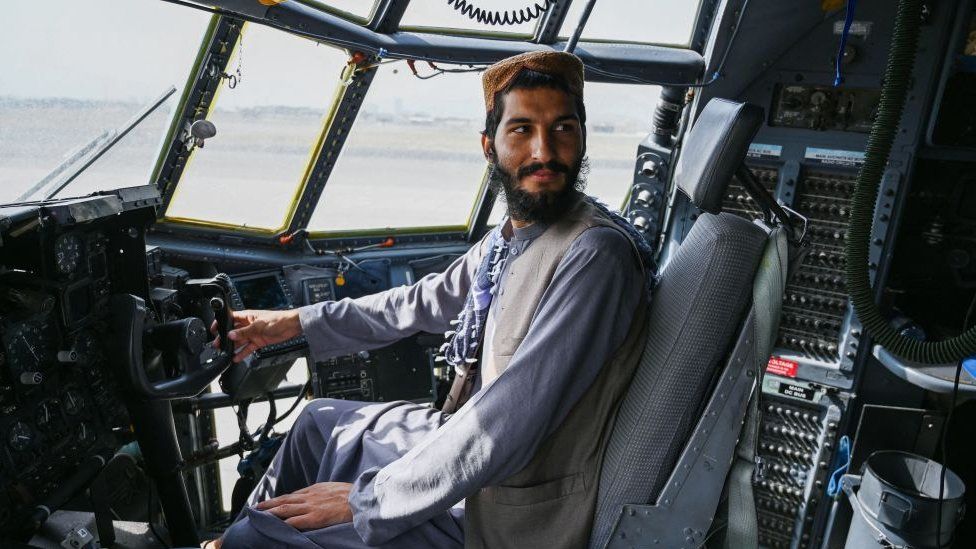
Does the taliban have like...anyone qualified to fly a Blackhawk? Serious question.
-
2021-08-31 09:57 #346Ridill
- Join Date
- Feb 2007
- Posts
- 15,605
- BG Level
- 9
I would imagine getting it airborne is the easy part. Landing it, however?
-
2021-08-31 10:08 #347IMPERIAL CONCUBINE OF ME
Coolest Monkey In The Jungle
- Join Date
- Sep 2007
- Posts
- 21,547
- BG Level
- 10
their homies were flying boeing 767s 2 decades ago, they probably can figure it out
-
2021-08-31 10:23 #348Duplicitous Jew with Political Aspirations
- Join Date
- Dec 2015
- Posts
- 18,683
- BG Level
- 9
Landing has never been important to them. Originally Posted by arus2001

Sent from my SM-N981U using Tapatalk
-
2021-08-31 10:44 #349IMPERIAL CONCUBINE OF ME
Coolest Monkey In The Jungle
- Join Date
- Sep 2007
- Posts
- 21,547
- BG Level
- 10
Originally Posted by Day
Originally Posted by Zealot

-
2021-08-31 10:55 #350BG Content
- Join Date
- Oct 2005
- Posts
- 69,823
- BG Level
- 10
- FFXIV Character
- Six Souls
- FFXIV Server
- Gilgamesh
- FFXI Server
- Quetzalcoatl
- WoW Realm
- Malorne
- Blog Entries
- 9
https://twitter.com/TalibTimes/statu...28727376007171 Originally Posted by Cail
Too grainy to confirm if it's a harness or "by the neck."
-
2021-08-31 11:28 #351HABS SUCK!!!!!
Sepukku is my Hero
Therrien's Cum Dumpster
- Join Date
- Mar 2005
- Posts
- 37,884
- BG Level
- 10
- FFXI Server
- Gilgamesh

Looks like a harness, based on the body position. If it were by the neck, the body would be limp straight down instead of being more ) shaped. Their hands seem bound behind their back though.
-
2021-08-31 11:33 #352
Sweaty Dick Punching Enthusiast
- Join Date
- Sep 2010
- Posts
- 21,888
- BG Level
- 10
if it was by the neck his head would pop off like a cork
-
2021-08-31 11:35 #353
Sweaty Dick Punching Enthusiast
- Join Date
- Sep 2010
- Posts
- 21,888
- BG Level
- 10
https://www.snopes.com/fact-check/ta...ng-black-hawk/
but ya appears to be bullshit, dude is harnessed up.
-
2021-08-31 12:10 #354
-
2021-08-31 14:11 #355I'll change yer fuckin rate you derivative piece of shit
- Join Date
- Sep 2006
- Posts
- 58,755
- BG Level
- 10
-
2021-08-31 14:35 #356Kevin Lowe's Sock Account
Pens win! Pens Win!!! PENS WIN!!!!!
Sweaty Dick Punching Enthusiast
- Join Date
- Dec 2007
- Posts
- 7,224
- BG Level
- 8
- FFXI Server
- Fenrir
Even they won't pick Cleveland
-
2021-08-31 15:00 #357Duplicitous Jew with Political Aspirations
- Join Date
- Dec 2015
- Posts
- 18,683
- BG Level
- 9
There are worse fates than sending someone to live in Phoenix but not many.
-
2021-08-31 15:47 #358Black Belt
- Join Date
- Nov 2005
- Posts
- 5,819
- BG Level
- 8
- FFXI Server
- Siren
- WoW Realm
- Thrall
I am not on the list.
-
2021-08-31 16:46 #359Old Odin
- Join Date
- Mar 2008
- Posts
- 6,099
- BG Level
- 8
- FFXIV Character
- Cyn Dane
- FFXIV Server
- Hyperion
- FFXI Server
- Valefor
Fucking what? lol.Raleigh-Durham
https://abc11.com/raleigh-homes-for-...rket/10856258/
According to Charlotte mortgage site LendingTree, Raleigh is the third most competitive market in the U.S.
-
2021-08-31 17:06 #360Cardiac Cat
- Join Date
- Nov 2006
- Posts
- 11,604
- BG Level
- 9
- FFXIV Character
- Airlea Ocelot
- FFXIV Server
- Balmung
- FFXI Server
- Bahamut
- WoW Realm
- Aegwynn
I was gonna say...there's people getting literally more than $1M over their asking price in RDU atm. Originally Posted by Cyn
Sent from my SM-G960U using Tapatalk