 XI Wiki


Spoiler: showhttps://playbreakaway.com/A Mythological Sport Brawler
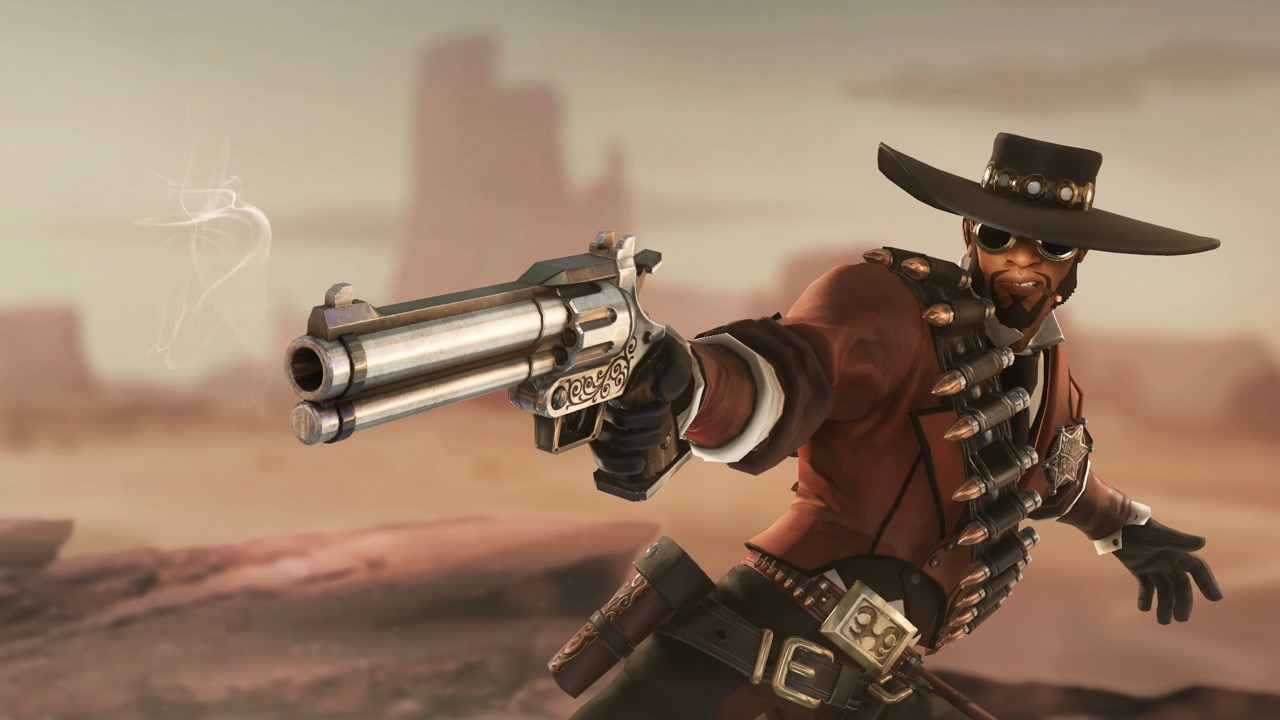
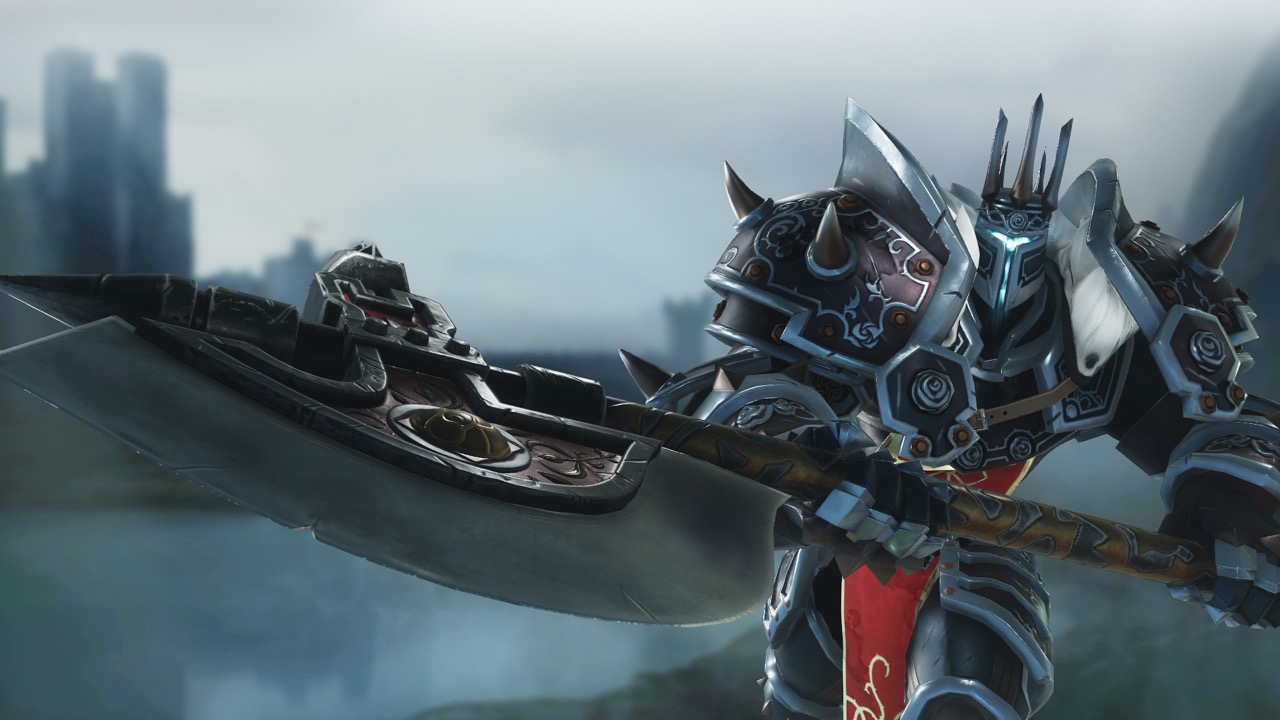
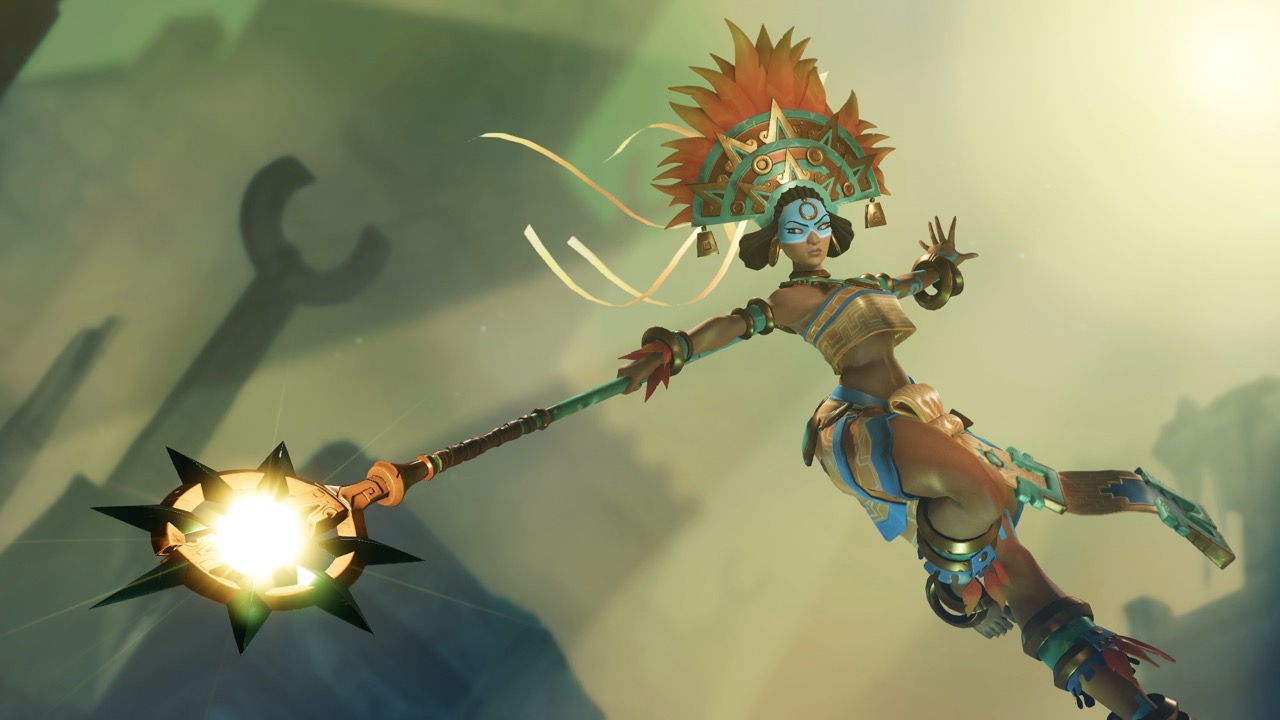
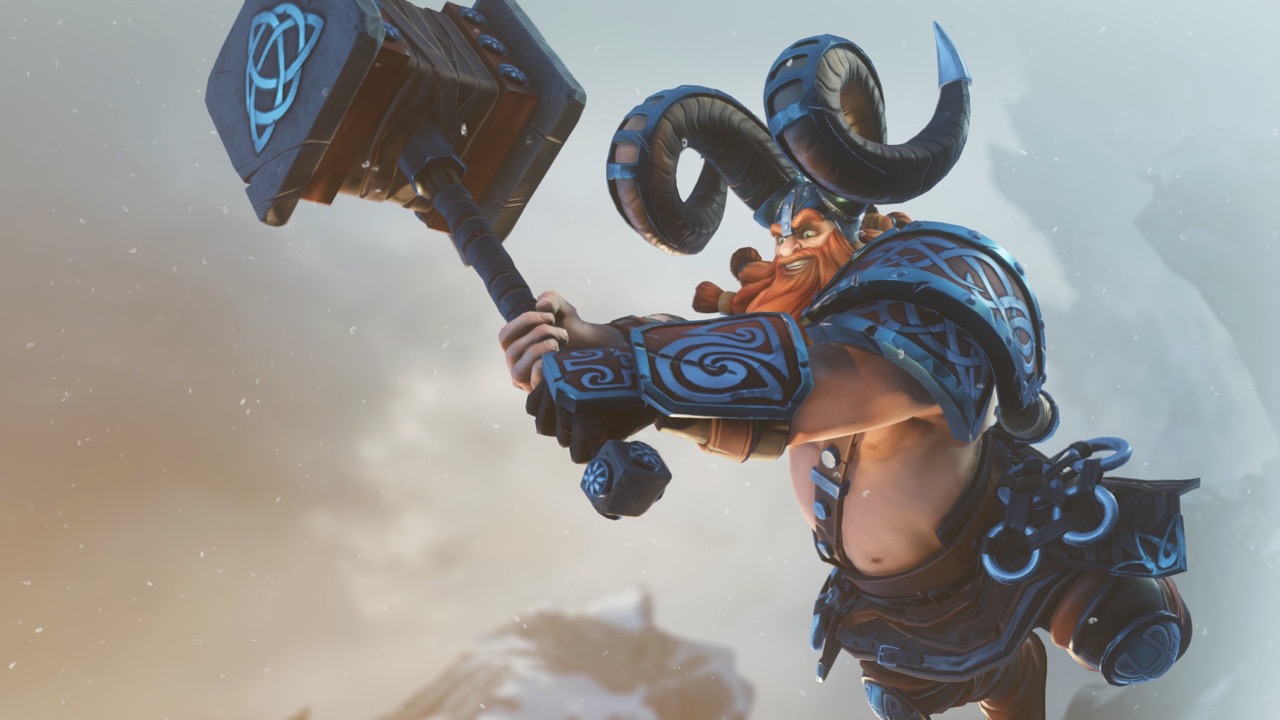
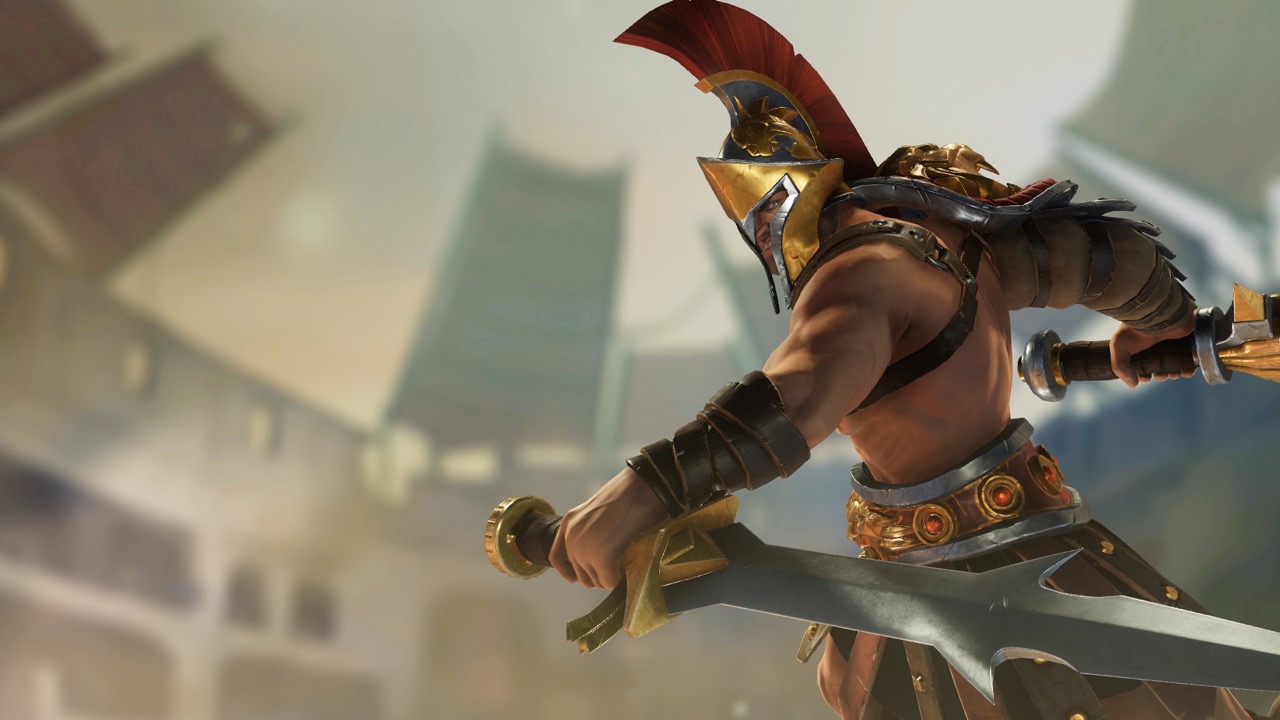
Breakaway is a mythological sport brawler built for fast action, teamwork, and live streaming. Build the optimal team composition from an expanding roster of legendary warriors, each with their own unique skills, weapons, and Buildables - summonable structures that can be used to dynamically alter the arena and provide a new level of tactical depth. Fight for dominance across fabled locations such as El Dorado, Atlantis, and Styx as you engage in four versus four competition to control the Relic, an artifact of immense power. Broadcast your feats utilizing a host of new Twitch features designed to make Breakaway as fun to watch as it is to play.
Change the Course of Battle
Rain fire on opponents with Spartacus’ Catapult. Fortify your allies with the healing aura of Alona’s Sun Shrine. Shatter the earth with Thorgrim’s Demolition Hammer. Trap the enemy with Rawlins’ Jail. Each warrior summons unique Buildables that can alter the pace of combat, or reshape the arena.
Play to the Crowd
Breakaway is made by streamers, for streamers. Taunt every interception, celebrate every kill, and highlight your dominance with instant replays. Customize your broadcast with real-time statistics from Metastream. Turn players into stars and earn followers with Broadcaster Spotlight. Pull your audience into the game with Broadcaster Match Builder, or interact with viewers through polls and loyalty point wagering using Stream+. Don’t just win the match… win the crowd.
https://www.amazon.com/Amazon-Game-S.../dp/B01LA11J5C
https://www.rockpapershotgun.com/2016/10/02/breakaway/Patrick Gilmore explained that his team’s goal is to combine the “hair-on-fire intensity of fighting games” with the “competitive element of streaming.” The screens behind him triumphantly illuminate, showing a harlequin crew of characters and the game’s title, Breakaway. A young woman somewhere behind me half-whispers “Oh my gosh is it like Overwatch?” and I smirk, having had that same knee-jerk reaction.
I prepare for the reveal, fully expecting a first-person shooter and am pleasantly surprised when Breakaway is shown to be equal parts MOBA, tower-defense, and soccer — er, football, um, foot-to-ball. 4v4 matches task players with grabbing the Relic in the center of the maps (which are always small enough that you can see every visual element on the field at once) and running it to the enemies’ base, or killing the other team before they can respawn. Between rounds, buildables such as cannons, healing shrines, speed boosts and cages can be placed to further complicate your opponents’ endeavors. These buildables persist between rounds, making the back half of a match look like a post-earthquake Disneyland.
And though Double Helix are building Breakaway to appeal to streamers and those who watch streams, the game also has the same pleasing friction and pick-up-and-play immediacy of a game like Rocket League. I had anticipated being terrible at Breakaway, but instead in my first match I scored two of the three points necessary for my team to win.
At first glance Breakaway seems merely like a cacophonous trend-vomiting combination of League of Legends, Rocket League, and Overwatch, but I think it has potential to find its own feet alongside its inspirations. The small arenas belie impressive depth: upgrading your character between rounds, setting traps, passing the ball, and using character-specific abilities combine to give you umpteen avenues in each match. If it can offer that while remaining accessible as both a new player and viewer, then I’m interested to both play and watch more.
- Navigation
Results 1 to 1 of 1
-
2016-10-03 09:37 #1BG Content

- Join Date
- Oct 2005
- Posts
- 69,753
- BG Level
- 10
- FFXIV Character
- Six Souls
- FFXIV Server
- Gilgamesh
- FFXI Server
- Quetzalcoatl
- WoW Realm
- Malorne
- Blog Entries
- 9


Breakaway (4v4 x MOBA x Tower Defense x Soccer)



Similar Threads
-
Pokemon Tower Defense
By Serra in forum Gaming DiscussionReplies: 173Last Post: 2011-10-10, 11:12 -
Tower Defense : Defense Grid
By ghanima in forum Gaming DiscussionReplies: 38Last Post: 2009-08-27, 00:21 -
best flash/online tower defense?
By Takedown3 in forum Gaming DiscussionReplies: 7Last Post: 2009-06-19, 15:26 -
New Desktop Tower Defense Version
By Nuriko in forum Gaming DiscussionReplies: 1Last Post: 2009-05-05, 12:04